
Waterproof Socks for Women: Keep Your Feet Warm & Dry
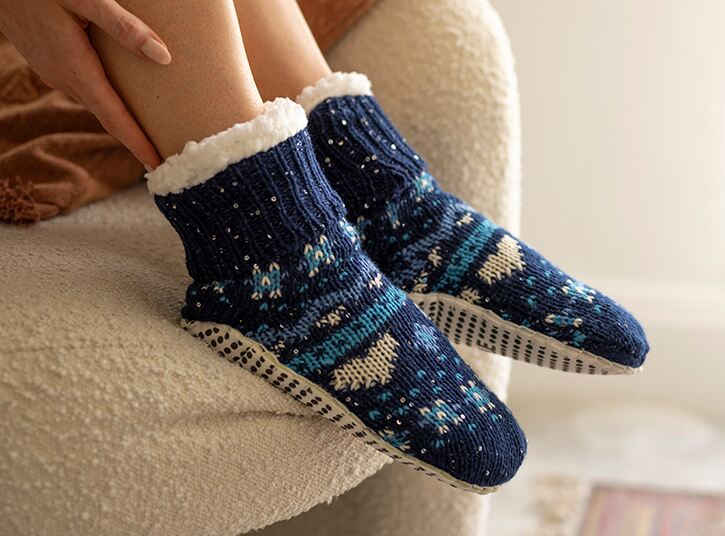
Wet feet can ruin a hike, a commute, or even a quick dog walk. For many women, the challenge isn’t just rain—it’s puddles, slushy sidewalks, damp grass, and unexpected weather shifts that soak regular socks within minutes. That’s where purpose-built waterproof socks come in: they’re designed to keep moisture out while helping feet stay comfortable during extended wear.
Unlike standard wool or cotton socks, which absorb water, waterproof socks use a layered construction to create a barrier between the outside environment and the skin. When chosen correctly, they can be a practical upgrade for anyone who spends time outdoors year-round.
What makes waterproof socks different?
Most high-quality waterproof socks are built with three layers:
- Outer layer: adds durability and abrasion resistance.
- Waterproof membrane: the key barrier that blocks water from entering.
- Inner lining: helps with comfort, warmth, and moisture management.
This layered design matters because it’s not only about staying dry—it’s also about reducing friction and keeping feet warm when temperatures drop. Many buyers start by browsing waterproof socks for women to compare lengths (ankle, crew, knee-high), insulation levels, and intended use.
Waterproof vs water resistant: what’s the real difference?
The terms are often used interchangeably, but they don’t mean the same thing.
- Waterproof socks are designed to prevent water penetration during sustained exposure—ideal for heavy rain, mud, or shallow water crossings.
- Water resistant socks can handle light splashes or damp conditions but may eventually soak through in persistent wet weather.
For everyday use—like drizzly commutes, garden work, or light trails—some women prefer water-resistant socks for a slightly lighter feel. For deeper puddles, prolonged rain, or winter slush, fully waterproof options are usually the safer choice.
When are waterproof socks most useful?
Waterproof socks tend to be especially helpful in these situations:
- Hiking and trekking: wet trails and stream crossings can quickly soak footwear.
- Camping: early-morning dew and damp ground conditions are standard.
- Cycling in the rain: road spray and wet shoes can cause cold feet to set in fast.
- Winter walking: melting snow and slush can seep in even with decent shoes.
- Work outdoors: gardening, dog walking, or site work in unpredictable weather.
Fit, warmth, and breathability tips.
A common misconception is that waterproof socks always feel bulky. In reality, comfort depends on fit and fabric choice. A snug (not tight) fit helps prevent rubbing, especially on longer walks. For warmth, many women look for inner linings that feel soft and insulating, while still allowing sweat to move away from the skin.
It also helps to match sock thickness to footwear. If shoes already fit closely, choosing a slightly thinner waterproof sock can prevent pressure points and improve comfort.
If mentioning the website name once for context, shoppers often explore options from LeakDry Waterproof when comparing waterproof and weather-ready sock styles.
Care and longevity
To maintain performance, waterproof socks generally last longer when they’re washed gently and air-dried. High heat can affect membranes over time, so following the care label is essential. Rotating pairs—especially during heavy use seasons—also helps preserve elasticity and reduce wear.
For women who regularly deal with wet conditions, waterproof socks aren’t just a comfort item—they’re a practical tool for staying warm, dry, and ready for the day.




-
Why Modern Product Launches Need Professional Dancers
Launching a new product is about more than making an announcement. Today’s ... -
-
-
-
-
-